
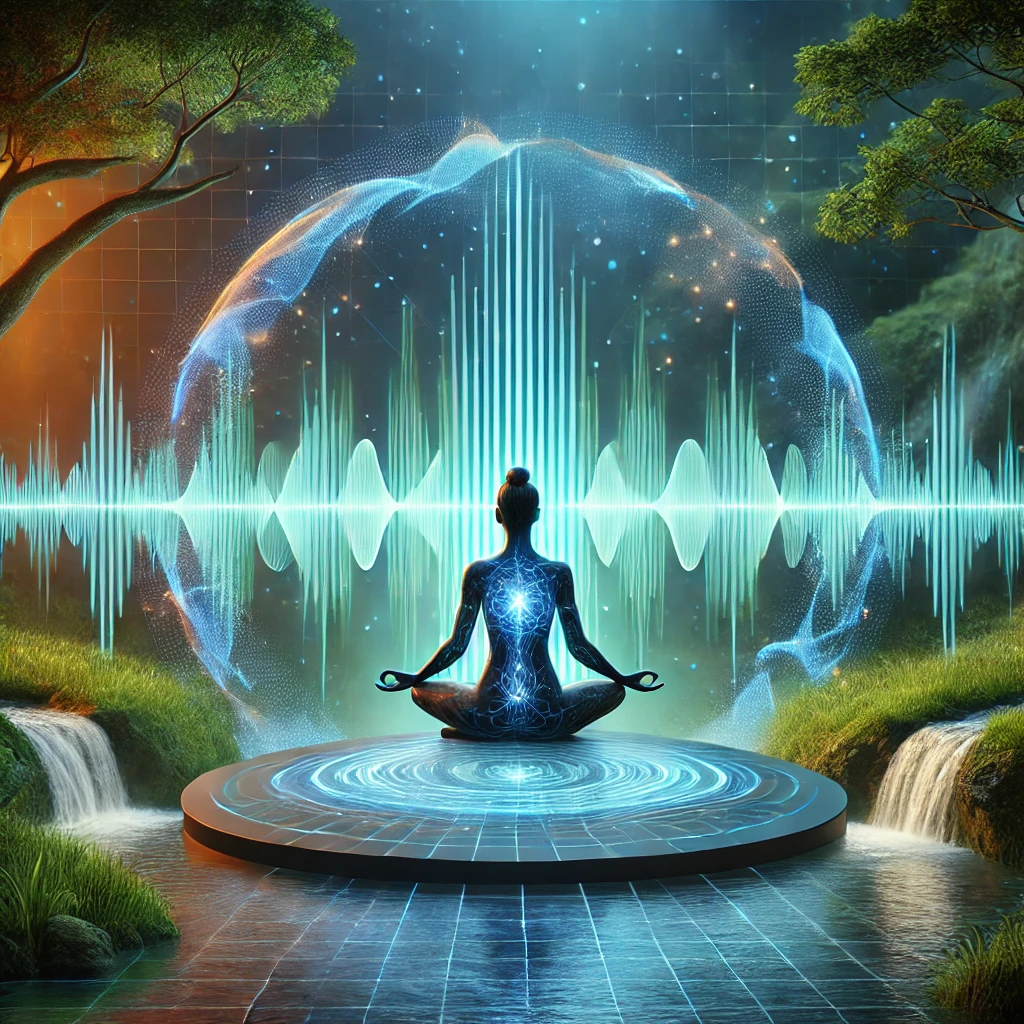
Harnessing AI Music for Meditation: A Modern Path to Inner Peace
The quest for peace and clarity has led many to meditation—a practice proven to reduce stress, enhance focus, and cultivate mindfulness. While traditional methods like guided sessions and soothing music have long supported meditators, a modern innovation is transforming the way we experience meditation: AI-generated music.
AI music combines the creativity of art with the precision of technology, offering personalised, dynamic soundscapes that cater to your unique needs. Let’s explore how AI music can enhance your meditation practice, making it more accessible, engaging, and effective.
What is AI-Generated Music?
AI-generated music uses artificial intelligence to compose and produce tracks without direct human input. Leveraging advanced technologies like neural networks and machine learning, AI analyzes vast datasets of music to create pieces that evoke specific emotions, moods, or states of mind.
From platforms like AIVA and Amper Music to meditation-focused apps, AI music has evolved into a versatile tool, capable of crafting everything from high-energy soundtracks to serene ambient compositions.
Why Use AI Music for Meditation?
Music has always been a powerful ally in meditation, helping practitioners relax and focus. AI music takes this a step further by offering benefits that traditional tracks often cannot:
- Personalization: AI can tailor music to your specific preferences, whether you enjoy soft piano melodies, ethereal soundscapes, or rhythmic beats.
- Accessibility: High-quality meditation tracks are just a click away, eliminating the need for expensive custom compositions.
- Innovation: AI blends traditional instruments with modern techniques, creating unique and immersive experiences.
With AI, meditation music isn’t just heard—it’s experienced in a way that resonates deeply with your mind and body.
How AI Music Enhances Meditation
AI-generated music isn’t just about creating pretty sounds; it’s scientifically designed to enhance meditation practices. Here are some key features that make AI music a game-changer:
1. Personalized Soundscapes
AI platforms can analyze your preferences and craft soundscapes that suit your mood, goals, or energy levels. Whether you’re seeking relaxation or focus, the music adapts to meet your needs.
2. Binaural Beats and Isochronic Tones
AI can integrate binaural beats and isochronic tones, which are scientifically proven to stimulate brainwaves associated with meditation. These frequencies help transition your mind into deeper states of relaxation, focus, or creativity.
3. Dynamic Real-Time Adjustments
Using biofeedback tools like heart rate monitors or EEG devices, AI music can adjust its composition in real-time, aligning with your body’s responses to ensure an optimal meditative experience.
4. Nature Sounds and Ambient Textures
AI excels at blending ambient textures with natural sounds like rain, waves, or birdsong—elements that mimic the calming effects of the outdoors and enhance mindfulness.
5. Guided Meditations with AI Voices
Soothing, human-like AI voices can be layered over the music to guide you through breathing exercises, mindfulness practices, or visualizations, making meditation easier for beginners.
Use Cases for AI Music in Meditation
AI-generated music isn’t just for traditional meditation; it offers diverse applications:
- Stress Relief: Create calming soundscapes to unwind after a hectic day.
- Sleep Support: Use AI music to transition into a restful state, improving sleep quality.
- Focus and Productivity: Enhance mindfulness during work or study sessions with tracks designed for concentration.
Whether you’re meditating to reduce anxiety, improve sleep, or boost focus, AI music can help you reach your goals.
Challenges and Limitations
While AI music offers exciting possibilities, it’s not without its challenges:
- Over-Personalization: Excessive customization may lead to tracks that lack universal appeal or depth.
- Emotional Depth: AI compositions, though precise, might lack the intuitive warmth of human-created music.
- Over-Reliance on Technology: Relying solely on AI music could detract from traditional meditative practices rooted in simplicity and self-awareness.
Balancing AI-generated music with other meditation tools ensures a holistic approach to your practice.
The Future of AI Music in Meditation
The potential for AI music in meditation is vast. Imagine immersive experiences where AI-generated soundscapes adapt in real-time based on your brainwaves, or meditation apps that craft culturally inclusive tracks inspired by global traditions.
As technology evolves, AI music will likely integrate with virtual reality, wearable devices, and even social platforms, making meditation more accessible and engaging than ever before.
How to Incorporate AI Music Into Your Meditation Routine
Ready to give AI music a try? Here’s how to start:
- Choose a Platform: Explore AI music tools and apps like Endel, Mubert, or AIVA, designed for meditation and mindfulness.
- Experiment: Test different soundscapes, frequencies, and guided meditations to find what works best for you.
- Combine Practices: Use AI music alongside traditional techniques like deep breathing, yoga, or mindfulness exercises.
Here is an example of one of our AI Music tracks – Waheguru
Conclusion
AI-generated music is redefining the meditation experience, blending innovation with introspection. Its ability to create personalized, dynamic soundscapes makes meditation more accessible and effective for people of all backgrounds.
By embracing this fusion of technology and mindfulness, you can deepen your practice and unlock new levels of inner peace. Whether you’re a seasoned meditator or a curious beginner, AI music offers a pathway to clarity, calm, and connection in an increasingly noisy world.
Explore the possibilities of AI music, and discover how it can transform your journey to mindfulness. The future of meditation is here—are you ready to tune in?

Naya Echo is a dreamer and creator, embodying the artistic soul of Fareb Records. She’s bold, imaginative, and deeply introspective, always exploring new ways to blend the magic of AI and human creativity. Her personality radiates curiosity and a desire to challenge the norms of what music can be. Naya thrives on pushing boundaries and finding beauty in the unexpected, captivating audiences with her enigmatic charm.